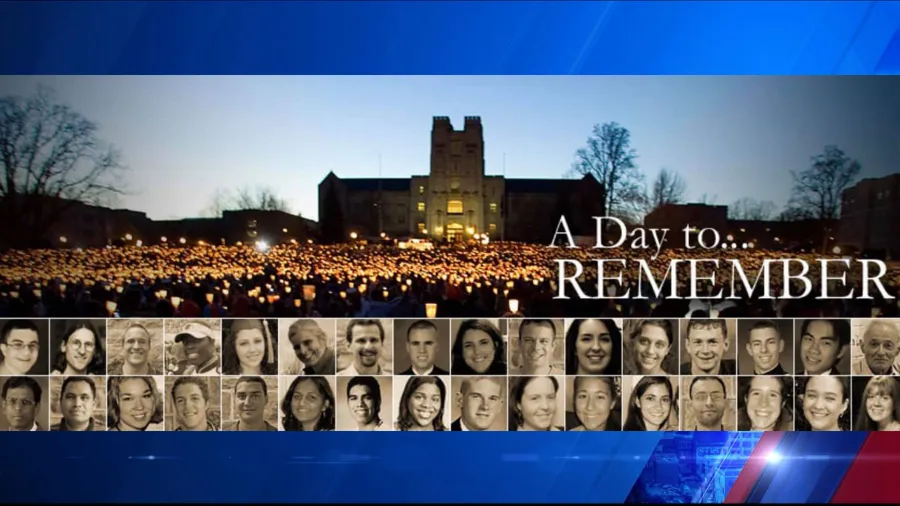
The events surrounding the virginia tech shooting crime scene remain one of the most somber chapters in the history of American education. On April 16, 2007, the peaceful campus in Blacksburg, Virginia, changed forever. It is a story that involves immense tragedy, but also incredible stories of bravery and resilience. When we look back at the virginia tech shooting crime scene, we aren’t just looking at a location; we are looking at the lives of students and teachers who were full of dreams. Understanding what happened helps us appreciate the safety measures we have in schools today. It also allows us to honor the memory of the thirty-two individuals who lost their lives that day.
| Feature | Details |
| Event Name | Virginia Tech Shooting |
| Date | April 16, 2007 |
| Location | Blacksburg, Virginia (West Ambler Johnston Hall and Norris Hall) |
| Victims | 32 lives lost |
| Key Groups | Virginia Tech shooting survivors, faculty, first responders |
| Legacy | Improved campus alert systems and mental health awareness |
Export to Sheets
The Morning the Campus Changed Forever
The day began like any other Monday in a busy college town. Students were heading to early morning classes, grabbing coffee, and preparing for exams. However, everything shifted when the first incident occurred at a dormitory. The initial response at the virginia tech shooting crime scene was complicated because no one realized the scale of the threat yet. It was a confusing time for everyone on campus. Many people were just waking up to emails and texts, trying to figure out if they should stay in their rooms or head to class. This confusion is a major reason why emergency protocols are so much faster and clearer in modern times.
Understanding the Two Shooting Locations
There were actually two distinct areas that made up the virginia tech shooting crime scene. The first was West Ambler Johnston Hall, a large residence hall where the first two victims were found. About two hours later, the second and more intensive event happened at Norris Hall, which housed several academic classrooms. Because the events were spread out, police had a very difficult task in securing the entire perimeter. Looking at virginia tech shooting photos from that day shows a campus flooded with emergency vehicles. It highlights how the geography of a large university can make safety very challenging for security teams and local police officers.
The Bravery of Virginia Tech Shooting Survivors
Among the sadness, the stories of the virginia tech shooting survivors shine like a bright light. Many students showed incredible courage by barricading doors with their feet and desks to keep the shooter out. Some survivors jumped from second-story windows to escape the danger, risking injury to find safety. These individuals have spent the last two decades turning their pain into purpose. Many virginia tech shooting survivors now work in advocacy, helping other victims of violence find peace. Their strength serves as a powerful reminder that while a tragedy can break a heart, it cannot break the human spirit or the “Hokie” bond.
Documenting the Virginia Tech Shooting Crime Scene
When investigators arrived, they had to be extremely careful with the virginia tech shooting crime scene. Every piece of evidence was vital to understanding how such a tragedy could occur. Police spent days inside Norris Hall collecting data and trying to piece together a timeline. While some people search for virginia tech shooting crime scene photos out of curiosity, it is important to remember that these locations represent a place of deep mourning. The documentation process led to massive reports that eventually changed how laws regarding campus security and mental health background checks are handled across the United States.
Lessons Learned from Virginia Tech Shooting Photos
Visual evidence and virginia tech shooting photos taken by news crews and bystanders helped the world understand the gravity of the situation. These images showed a community in shock, with students huddled together on the drillfield. However, later virginia tech shooting photos also showed something else: thousands of people wearing maroon and orange to support the school. These pictures taught us that media coverage has a huge responsibility. It must balance the need for news with the need to respect the privacy of those who are suffering. Today, many photojournalists use the lessons from 2007 to report on tragedies with more empathy.
The Role of First Responders in Blacksburg
The police, firefighters, and medical teams who rushed to the virginia tech shooting crime scene faced a situation they had never seen before. They had to navigate a chaotic environment while trying to save as many lives as possible. Because of the size of the virginia tech shooting crime scene, multiple departments had to work together perfectly. This event led to better “interoperability,” which is a fancy word for making sure different police radios can talk to each other. Their hard work at the scene ensured that many more people were able to get to the hospital and survive their injuries.
Impact on Campus Security Technology
Before the events at the virginia tech shooting crime scene, most colleges relied on emails to warn students of danger. We learned that email is too slow for an active emergency. Now, almost every school has a “VT Alerts” style system that sends instant text messages and sets off loud sirens. This was a direct result of the gaps found during the investigation of the shooting. When we see those emergency towers with blue lights on campuses today, we are seeing a safety feature that was influenced by the lessons of April 16. It makes campuses much safer for the next generation of students.
Memorializing the Thirty-Two Victims
If you visit the campus today, you won’t see the virginia tech shooting crime scene as a place of horror. Instead, you will find a beautiful semi-circle of 32 Hokie stones. Each stone represents a student or teacher who was lost. It is a place of quiet reflection where people leave flowers, flags, and small tokens of affection. The community chose to focus on the lives lived rather than the way they ended. This memorial ensures that the names of the victims are remembered long after the details of the virginia tech shooting crime scene fade from the daily news cycles.
Mental Health Awareness and Prevention
One of the most important discussions following the tragedy involved mental health. The investigation into the virginia tech shooting crime scene revealed that the shooter had shown many warning signs that were missed or not shared between departments. This led to a huge shift in how schools handle student wellness. Privacy laws were clarified so that schools could tell parents or doctors if a student was in danger of hurting themselves or others. This “people-first” approach to safety is perhaps the most significant legacy of the event, as it focuses on helping people before a crisis happens.
The Global “We Are Virginia Tech” Movement
In the days following the release of the first virginia tech shooting photos, the world responded with an outpouring of love. Other universities held vigils, and sports teams wore VT ribbons on their jerseys. This movement helped the virginia tech shooting survivors feel like they weren’t alone in their grief. It showed that a community is more than just buildings; it is a global family. This spirit of “Ut Prosim” (That I May Serve) continues to define the school today. Even years later, the bond between Hokies everywhere remains incredibly strong and supportive.
Conclusion:
While the virginia tech shooting crime scene was a place of great sadness, the story doesn’t end there. The story ends with a community that refused to be defined by a single bad day. Through better safety, increased mental health support, and the incredible resilience of the virginia tech shooting survivors, the world learned how to heal. We remember the 32 victims not for the tragedy, but for the light they brought to the world. Let us continue to look out for one another and work toward making every school a safe place for learning and growth.
FAQs
1. What happened at the Virginia Tech shooting crime scene?
The scene involved two main locations on campus where a tragic shooting occurred in 2007. It led to a massive investigation that changed school safety laws across the country.
2. How did the Virginia Tech shooting survivors help change the law?
Many survivors became advocates for better campus security and mental health awareness. Their personal stories helped lawmakers understand why faster emergency alerts are necessary.
3. Why are Virginia Tech shooting photos important for history?
While painful, these photos document the bravery of first responders and the way the community came together to support one another during a time of crisis.
4. Can I visit the memorial at the Virginia Tech shooting crime scene?
Yes, there is a permanent memorial on the campus drillfield. It features 32 stones to honor the victims and is a place for peaceful reflection and remembrance.
5. How has campus safety changed since the Virginia Tech shooting?
Schools now use instant text alerts, have better-trained security teams, and focus more on mental health resources to prevent such events from happening again.
6. What does “Hokie Nation” mean in the context of this event?
It refers to the worldwide community of Virginia Tech students and alumni. This group provided immense support to the survivors and families, showing that they are a united family.